How to Prepare Your Child for Their First ABA Session
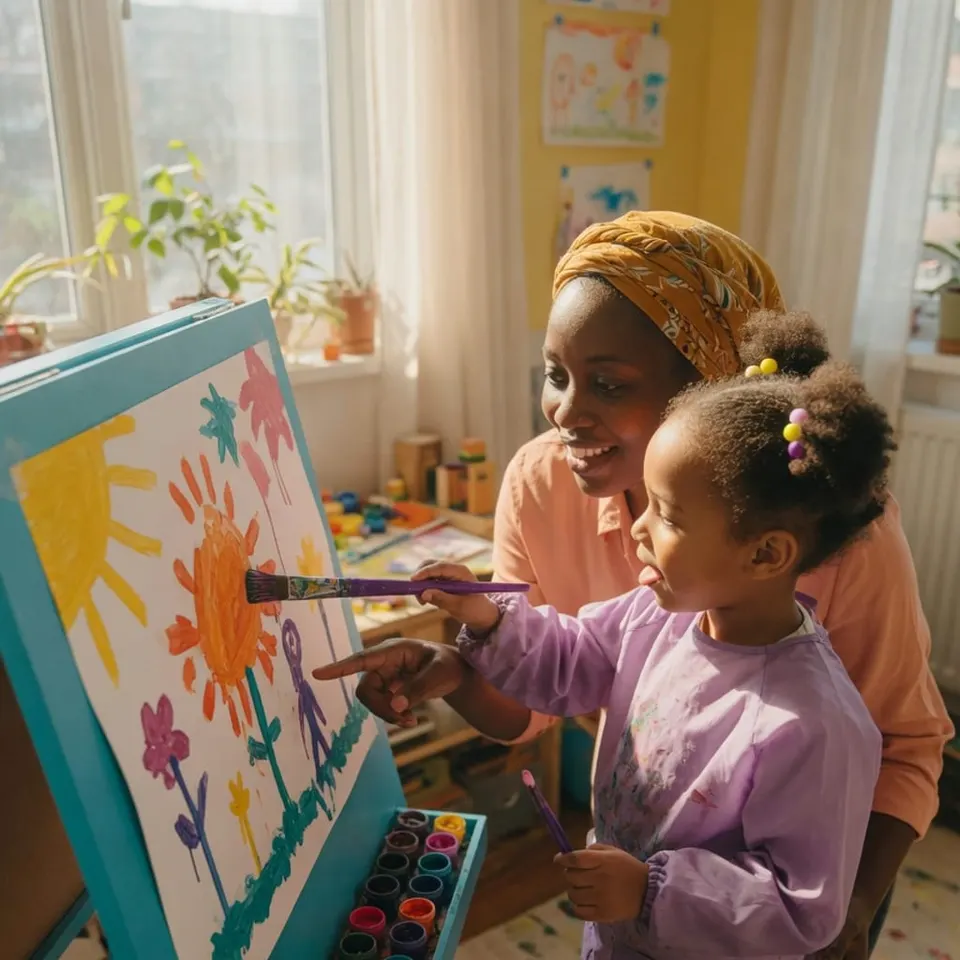
In short: To prepare your child for their first ABA session, start by gathering information from the BCBA about the session structure, create a social story, and establish a calm morning routine. Bring comfort items and snacks, and plan to stay nearby during the session. Afterward, talk positively about the experience and follow the therapist's guidance for carryover. Using a free matching service can help you find a vetted BCBA-led provider that accepts your insurance or Medicaid.
Key takeaways
- ABA therapy is individualized and the first session is about building rapport and understanding your child's needs.
- Create a social story or visual schedule to explain what will happen during the session.
- Bring comfort items, preferred snacks, and any necessary communication tools.
- Stay calm and positive-your child picks up on your feelings.
Find your child's ABA provider
About 60 seconds · free & confidential
- ✓ Vetted, BCBA-led providers
- ✓ In-home, center & telehealth
- ✓ No obligation, ever
Understanding the First ABA Session: What to Expect
Applied Behavior Analysis (ABA) therapy is a evidence-based approach used to help children with autism build skills in communication, social interactions, daily living, and more. The first session is rarely about heavy learning; instead, the Board Certified Behavior Analyst (BCBA) and therapists focus on building trust, observing your child in a natural setting, and learning what motivates them. Sessions can take place in a clinic, at home, or in a community setting-depending on the provider and your family's needs. By knowing what to expect, you can prepare your child with confidence.
🔗 Related reading: Michigan School Autism Services: Who to Call First · Find ABA Near Me
Before the Session: Practical Preparation Steps
Gather Information from the BCBA
Before the big day, touch base with the BCBA assigned to your child. They can share the session's goals, duration, and any specific materials you should bring. Many providers conduct a brief intake meeting or share a written guide. If you were matched through a free service like Autism Therapy Near Me, they often provide a summary of what the first visit will entail.
Set a Predictable Morning Routine
Children with autism often thrive on routine. Keep the morning before the session structured and calm. Wake up early enough so there is no rush. Use a visual schedule that includes "therapy time" so your child can see the sequence of events. A predictable start reduces anxiety and sets a positive tone.
Prepare a Social Story or Visual Schedule
A social story is a short, personalized description of what will happen. Use simple language and pictures: "First we will go to the playroom. Then a friendly teacher will say hello. You can play with toys. Then we go home." You can find free templates online or ask the BCBA for examples. Read it together a few days before the session.
Choose Comfort Items and Reinforcers
Bring items your child finds calming-a favorite stuffed animal, noise-canceling headphones, or a weighted lap pad. Also bring small preferred snacks or toys that the therapist can use as reinforcers. This helps build a positive association with the new environment.
Looking for ABA therapy for your child? We match families with vetted, BCBA-led providers near you.
Get matched freeCreating a Positive Mindset for Your Child
Your attitude influences your child's emotional state. Talk about the session with excitement rather than worry. Use phrases like "You'll get to meet someone new and play fun games!" Avoid over-explaining if your child becomes anxious. Practice deep breathing together if you both feel nervous. Consider role-playing a "meet and greet" with a trusted relative to normalize the interaction.
Use Language Your Child Understands
For children who are verbal, keep explanations concrete. For non-verbal children, rely on pictures and short video clips. Some providers offer a quick video tour of their clinic before the first session. If not, you can ask if a brief pre-visit is possible.

🔗 Related reading: Minnesota School Autism Services: First Call Guide · Find ABA Near Me
What to Bring to the First Session
- Comfort items: Stuffed animal, blanket, fidget toy, or headphones.
- Preferred snacks and drinks: Check with the provider for any allergy policies.
- Reinforcers: Small toys or treats your child loves that can be used during therapy.
- Communication tools: If your child uses a PECS book or AAC device, bring it.
- Medical or therapy records: Prescriptions, previous evaluations, or school plans (if needed).
- A change of clothes: In case of spills or messy play.
- Insurance card and ID: The provider may need to verify coverage.
During the Session: How Parents Can Support
Role of the Parent
Most ABA providers welcome parents to stay, especially during the first few sessions. Your presence can comfort your child. However, follow the BCBA's lead-they may ask you to step back a little to allow rapport building. Sit quietly in the observation area or behind a one-way mirror if available. Avoid prompting your child unless instructed.
Model Calm Engagement
Show curiosity and positivity. If your child looks to you, smile and nod. Avoid looking anxious or checking your phone. Your calm energy helps the child feel safe. Some children settle faster when parents are not in direct line of sight, so trust the therapist's judgment.
Handle Separation Anxiety Gently
If your child cries or resists, the BCBA will likely use a gradual separation technique. Do not prolong goodbye; a quick, cheerful "See you soon!" works better than lingering. The therapist is trained to manage this and will keep you informed.
After the Session: Debrief and Plan Forward
Once the session ends, take a moment to talk privately with the BCBA. Ask for a brief summary of what went well and what they observed. Discuss any redirections needed. Then, with your child, use positive words: "You did great playing with the new toys!" Avoid quizzing them or forcing a recap. If your child seems tired, allow downtime.
Reinforce at Home
The BCBA may suggest simple carryover activities-like practicing a request or using a visual schedule. Follow these recommendations consistently. Reinforcement at home speeds up progress and helps your child generalize skills.
Plan for a Good Night's Sleep
New experiences can be draining. Offer a calming bedtime routine with extra snuggles and a consistent wind-down. Limit screens before bed. A well-rested child is more receptive to learning the next day.
Common Mistakes to Avoid
- Oversharing your anxiety: Avoid saying "It's okay, you don't have to worry" repeatedly-this can heighten anxiety.
- Skipping the social story: Even if you think your child doesn't understand, visual prediction reduces stress.
- Bringing too many toys: One or two comfort items are enough; too many can be distracting.
- Interrupting the therapist: Let the BCBA lead unless they ask for your input.
- Forgetting to check insurance coverage beforehand: Confirm that ABA therapy is covered and what your copay or deductible will be. Most plans, including Medicaid, cover ABA as an essential health benefit.
How to Get Started with ABA Therapy
If you're not yet connected with a provider, a free matching service like Autism Therapy Near Me can help you find a vetted, BCBA-led clinic that fits your child's needs and accepts your insurance or Medicaid. The service reviews licensing, experience, and availability so you can feel confident starting therapy. Begin the process a few weeks before you hope to start sessions, as matching and intake can take time. You deserve support, and your child deserves a positive first experience with ABA.