A Parent's Role in ABA Therapy at Home: What You Need to Know

In short: Parents are essential for generalizing ABA skills beyond the clinic. They implement strategies during daily routines, collaborate with the BCBA to create a consistent plan, and provide everyday reinforcement. This partnership maximizes therapy effectiveness and helps children thrive in all environments.
Key takeaways
- Parent involvement is critical for generalizing skills from therapy to daily life.
- Work closely with your child's BCBA to create a consistent, positive home plan.
- Use natural routines like mealtime and bath time to practice ABA strategies.
- Reinforcement and consistency are key-celebrate small successes every day.
Understanding ABA Therapy and the Parent's Role
Applied Behavior Analysis (ABA) is a scientifically proven therapy for children with autism that focuses on improving communication, social skills, and reducing behaviors that interfere with learning. While much of ABA happens in a clinic or school setting, parents play an absolutely essential role in carrying therapy into the home. You are not just a spectator-you are your child's first and most consistent teacher. In this article, we will walk through exactly what that role looks like and how you can support your child's progress every day.
ABA therapy is built on the idea that skills learned in one setting must be generalized to others. The home environment is where children spend most of their time, making it a natural classroom for practicing new behaviors. A BCBA (Board Certified Behavior Analyst) designs an individualized treatment plan, but it is parents who help implement and reinforce it during everyday moments-from morning routines to bedtime. This partnership is the foundation of lasting progress.

🔗 Related reading: Summer & After-School ABA Programs in California: Costs & Coverage · Find ABA Near Me
Why Parent Involvement Is Critical for Success
Research consistently shows that ABA therapy is most effective when parents are actively involved. Without home carryover, gains made in clinic sessions may not transfer to real-world situations. For example, a child may learn to request help from a therapist at the clinic, but if that skill is not practiced at home, they might not use it when they need a snack or want to play. Parents bridge that gap.
Your involvement also builds trust and confidence in your child. When you use the same language and strategies as the therapist, the day feels more predictable and less confusing for your child. Additionally, parent training is a core component of many ABA programs. The BCBA will teach you how to prompt, reinforce, and collect data, so you become comfortable with the methods. This not only helps your child but also empowers you as a parent.
Practical Strategies for Implementing ABA at Home
Start with Natural Routines
You do not need to set aside extra hours each day for ABA drills. Instead, incorporate strategies into activities you already do:
- Morning routines: Use a visual schedule to help your child independently brush teeth, get dressed, and eat breakfast. Offer praise for each step completed.
- Mealtimes: Practice requesting food items, using utensils, or staying at the table for a set time. Reinforce positive behavior with your attention or a small reward.
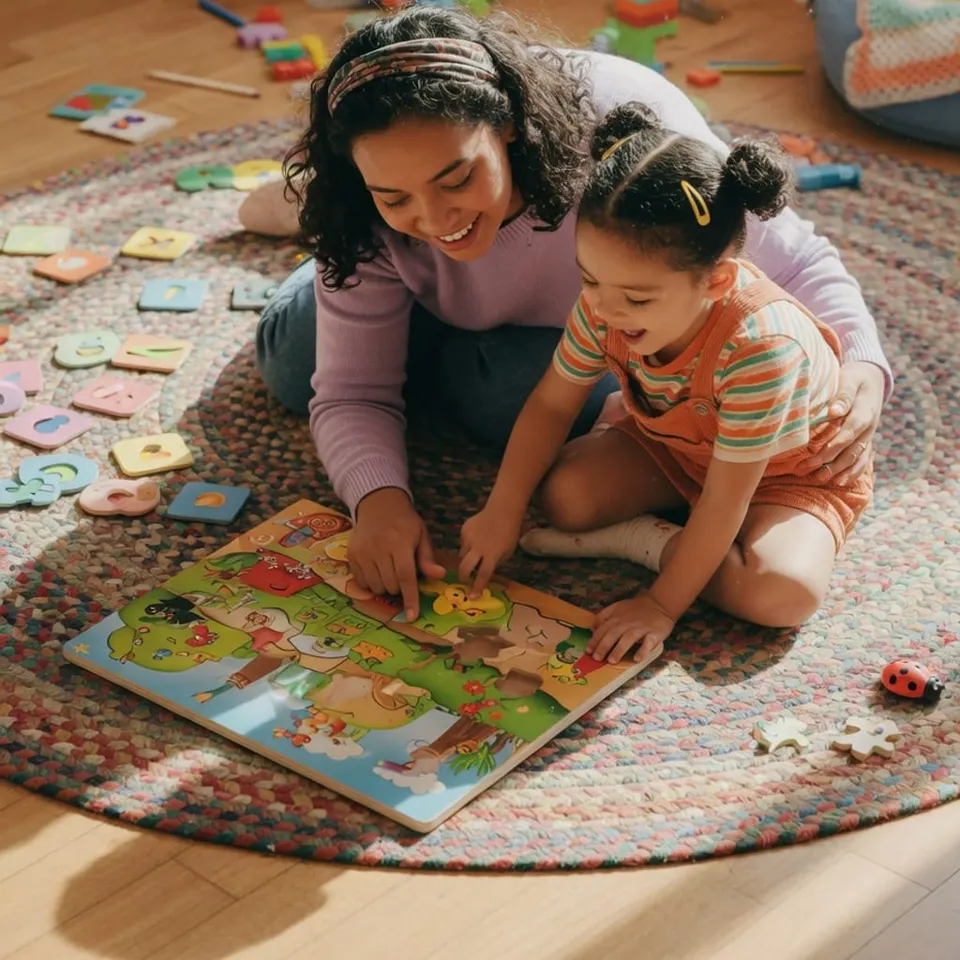
- Playtime: Follow your child's lead and use turn-taking to build social skills. Narrate their actions ("You rolled the car! My turn to roll") to encourage communication.
- Bath and bedtime: Use simple instructions ("Put your pajamas in the hamper") and provide positive reinforcement for compliance. A calm, predictable routine helps reduce anxiety.
Use Reinforcement Effectively
Reinforcement is the heart of ABA. Find what motivates your child-whether it's praise, a crunchy snack, or five minutes of a favorite video-and deliver it immediately after the desired behavior. Over time, you can fade the reward to more natural reinforcement like a high-five or a hug.
Pair and Follow Through
Before demanding a new skill, spend time simply pairing yourself with fun activities. This means playing with your child without requiring anything in return, so they associate you with positive experiences. Then, when you ask for a task, they are more likely to cooperate. Consistency is everything: if you set a rule (e.g., "we clean up before TV"), follow through every time.
🔗 Related reading: Colorado Autism Resources: Support for Families · Local ABA Therapy
Collaborating with Your Child's BCBA
Attend Parent Training Sessions
Most ABA programs include regular parent training. Come prepared with questions about what is working or what challenges you are seeing at home. The BCBA can adjust the plan and give you specific scripts or visuals to use.
Share Data and Observations
You are the expert on your child's day-to-day. Let the BCBA know when a strategy works well or fails. For example, if your child responds better to a sticker chart than token system, that is valuable feedback. The BCBA can then tweak the behavior plan to suit your home environment.
Request Visuals and Simple Language
Do not hesitate to ask for a one-page summary of goals and strategies. Many BCBAs provide a parent-friendly guide that lists the key behaviors you should target and the reinforcement you should use. Keep it on your refrigerator for quick reference.
Common Challenges and How to Overcome Them
Time and Energy Constraints
Life is busy, especially when you have a child with additional needs. You do not need to implement every strategy at once. Start with just one or two target behaviors, such as requesting breaks or complying with a morning routine. As those become habits, add more. The BCBA can help you prioritize.
Inconsistent Behavior Between Parent and Therapist
If your child behaves differently for you than for the therapist, do not be alarmed. It is normal. The key is to stay consistent with your own expectations and use the same prompts. Over time, as your child sees that the rules are the same everywhere, behavior will stabilize.
Dealing with Tantrums or Noncompliance
If a child engages in challenging behavior at home, stay calm. Avoid giving attention to the behavior; instead, redirect to a replacement behavior (e.g., "Use your words to say 'help'"). Always discuss these incidents with your BCBA, who can help you create a behavior plan specifically for home.

Creating a Supportive Home Environment
Your home should feel safe and predictable for your child. Consider these environmental adjustments:
- Reduce distractions: During learning times, turn off the TV and put away toys that are not part of the activity.
- Use visual supports: Picture schedules, timers, and choice boards can help your child understand what is coming next and reduce anxiety.
- Designate a calm-down space: A corner with soft pillows, books, or headphones allows your child to self-regulate when overwhelmed.
- Celebrate small wins: Every time your child uses a new skill independently, acknowledge it. Positive reinforcement builds confidence and motivation.
Remember that siblings also play a role. Involve brothers and sisters by teaching them simple ways to praise their sibling's good choices. This builds a family culture of support and empathy.
Getting Started: Finding the Right ABA Provider at No Cost
If you are new to ABA, the first step is finding a qualified BCBA-led provider in your area. This is where a free matching service like Autism Therapy Near Me can help. Instead of calling dozens of clinics, you simply fill out a short form with your child's needs and your location. The service then connects you with vetted providers who have openings and accept your insurance.
ABA therapy is widely covered by private insurance, Medicaid, and other public programs. In many states, Early Intervention or school districts may also fund ABA services. A good matching service will ask about your insurance upfront and only send you providers that accept your plan. This saves time and reduces the stress of navigating coverage on your own.
Once matched, you will have an initial consultation with the BCBA. Use that meeting to discuss your role as a parent, the frequency of home sessions (if any), and how you will be trained. A strong provider will welcome your involvement from day one.