What to Expect in Your Child's First ABA Session

In short: Your child's first ABA session focuses on building rapport and conducting an initial assessment. The BCBA will observe your child in a play-based setting, gather information from you, and create a personalized plan. No therapy goals are worked on yet; it's about getting to know your child and setting the stage for future sessions.
Key takeaways
- The first session is an assessment, not therapy; the BCBA observes and builds rapport with your child.
- Parent involvement is key: share your child's strengths, challenges, and daily routines.
- Sessions are play-based and child-led, making them comfortable and engaging for your child.
- Insurance and Medicaid often cover ABA therapy; the provider can help verify your benefits.
Find your child's ABA provider
About 60 seconds · free & confidential
- ✓ Vetted, BCBA-led providers
- ✓ In-home, center & telehealth
- ✓ No obligation, ever
Understanding the First ABA Session
Applied Behavior Analysis (ABA) therapy is a widely recognized, evidence-based approach for supporting children with autism spectrum disorder (ASD). The first session is a crucial step in building a foundation for your child's progress. Unlike typical therapy sessions, the initial visit is focused on assessment, observation, and building a trusting relationship between your child, you, and the Board Certified Behavior Analyst (BCBA). This session sets the stage for a personalized treatment plan that targets your child's unique needs.
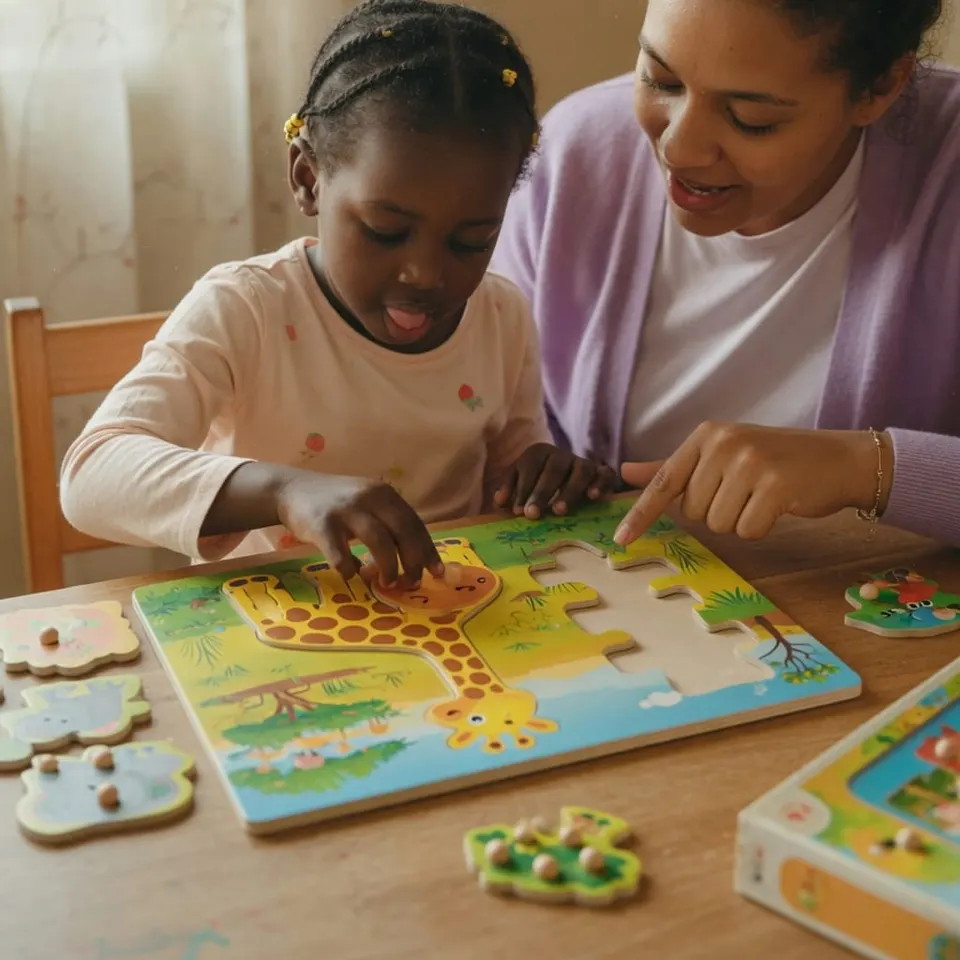
During this first meeting, the BCBA will not dive into intensive therapy. Instead, they will observe your child in a natural, play-based environment, ask you detailed questions about your child's behaviors, preferences, and challenges, and begin to understand their communication and social skills. This approach ensures that the therapy plan is tailored specifically to your child, not a one-size-fits-all program.
🔗 Related reading: Combining ABA, Speech & OT in Colorado: A Family Guide · Local ABA Therapy
What Happens During the First Session?
Initial Assessment and Observation
The BCBA will spend time watching your child play, interact with you, and respond to the environment. They may use structured and unstructured activities to see how your child communicates, follows instructions, and handles transitions. This observation is key to identifying strengths and areas for growth. The BCBA will take notes on behaviors like eye contact, vocalizations, play skills, and any challenging behaviors.
Parent Interview and Information Gathering
You will be asked to share your insights. Be prepared to discuss your child's daily routines, favorite toys, triggers for meltdowns, and what strategies work at home. The BCBA will also review any previous assessments, medical records, or school reports. This collaboration ensures the therapy plan aligns with your family's values and goals.
Building Rapport with Your Child
The BCBA will engage your child in preferred activities, like playing with blocks, bubbles, or a favorite toy. This helps your child feel comfortable and builds trust. The session is designed to be positive and pressure-free, so your child associates therapy with fun and safety.
Looking for ABA therapy for your child? We match families with vetted, BCBA-led providers near you.
Get matched freeHow to Prepare for the First Session
Gather Important Documents
Bring your child's diagnosis report, any previous therapy records, and your insurance card. If you are using Medicaid, have that information ready as well. Many ABA providers accept Medicaid and private insurance, and the first session often includes verifying coverage.
Talk to Your Child (in a Simple Way)
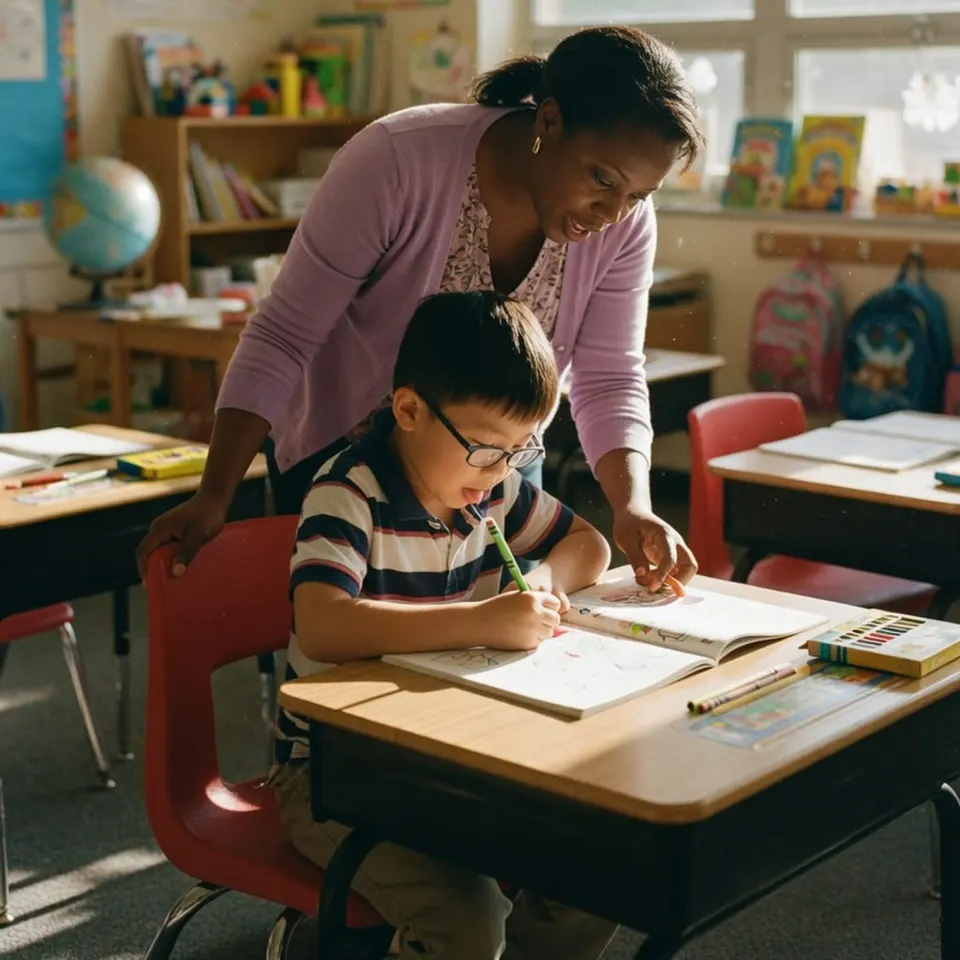
Use language your child understands. You might say, 'We're going to meet someone new who likes to play and learn with kids.' Avoid over-explaining or creating anxiety. For non-verbal children, use visual supports like a social story or a picture schedule.
Bring Comfort Items and Snacks
Pack your child's favorite toy, blanket, or sensory item. Also bring snacks and water, especially if your child has dietary restrictions or needs breaks. A familiar item can ease transitions and help your child feel secure.
🔗 Related reading: Meltdowns in Public With Autistic Child: A Parent's Guide · Local ABA Therapy
What to Expect from the BCBA and Provider
The BCBA is a highly trained professional with a master's degree or higher in behavior analysis. They will lead the session and design the treatment plan. The provider (clinic or in-home service) will handle scheduling, billing, and communication. During the first session, the BCBA will explain their approach, answer your questions, and outline next steps. They should also discuss how often sessions will occur (typically 10-20 hours per week for young children) and how progress will be measured.
If you are using a free matching service like Autism Therapy Near Me, you will be connected with a vetted BCBA-led provider that fits your location, insurance, and preferences. This can save you time and ensure you work with a qualified team.
Common Mistakes to Avoid
- Expecting immediate results: The first session is about assessment, not therapy. Progress takes time and consistency.
- Not asking questions: You are your child's best advocate. Ask about the BCBA's experience, the assessment process, and how you can support therapy at home.
- Forcing your child to participate: If your child is overwhelmed, the BCBA will adapt. Trust the process and let them guide the session.
- Ignoring your own needs: ABA therapy is a partnership. Share your concerns and goals openly.

Costs and Insurance Coverage
ABA therapy is often covered by private insurance plans, including those from major employers, as well as state Medicaid programs. Many states mandate coverage for autism therapies. The first session may include a consultation fee, but many providers offer a free initial visit. Your provider will verify your benefits and explain any co-pays or deductibles. If you are uninsured or underinsured, some providers offer sliding scale fees or can connect you with financial assistance programs.
To simplify the process, consider using a free matching service like Autism Therapy Near Me, which can help you find a BCBA-led provider that accepts your insurance and has availability. This removes the stress of calling multiple clinics.
After the First Session: Next Steps
After the initial assessment, the BCBA will write a detailed report and a treatment plan. This plan will include specific goals, such as improving communication, social skills, or daily living skills. You will review the plan together and set a schedule for ongoing sessions. The BCBA will also train you on how to reinforce skills at home, ensuring consistency across environments.
Remember, ABA therapy is a journey. The first session is just the beginning. With a skilled BCBA and your active involvement, your child can make meaningful progress. Stay patient, celebrate small wins, and keep communication open with your provider.